
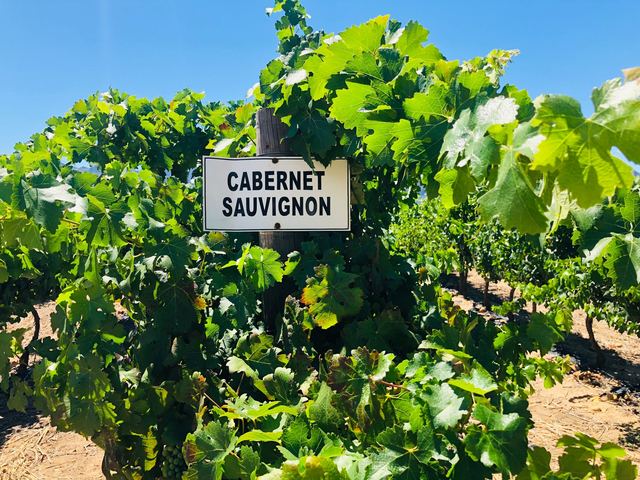
Almost every bottle of Screaming Eagle leaves the Oakville estate through one channel: its private mailing list, closed to new names for decades and backed by a waiting list that moves only when a current member drops out. The Napa winery makes a few hundred cases of Cabernet Sauvignon a year, so the list, not the shop shelf, decides who drinks it.
Screaming Eagle is the textbook case of a Napa Valley cult wine. It has no tasting room open to the public, no distributor network and no retail price list you can walk in and pay. Understanding the mailing list is therefore the only way to understand the brand, its scarcity and its price on the secondary market. For context on how this estate compares with the other famous names of California, see our overview of American wine brands from Napa to Oregon.
On this page
- What is the Screaming Eagle mailing list?
- How do you join the Screaming Eagle waiting list?
- Why does the list almost never open?
- Who is behind Screaming Eagle winery?
- What wines are offered to members?
- What does a Screaming Eagle bottle cost?
- How to buy Screaming Eagle without the mailing list
- Is a place on the list worth the wait?
What is the Screaming Eagle mailing list?
The mailing list is a register of private customers who receive an annual allocation offer directly from the winery. Each member is invited, once a year, to buy a set number of bottles of the new vintage at the release price set by the estate. The offer is personal, tied to the member's account, and cannot be transferred or shared with another user.
Membership is the privilege; the wine is the result. A member who declines an offer, or fails to reply within the time window, can lose the place. That rule keeps the list active and is the main reason spots ever open. The winery's own FAQ page is short and direct: the mailing list is full, and the estate keeps a waiting list for those who want to be considered when places free up.
Because production is tiny, the list is the entire commercial model. The estate does not need advertising, a sales team or a network of importers. Demand takes care of itself, and every bottle that reaches a restaurant wine list or an auction house almost always passed through a member first.
How do you join the Screaming Eagle waiting list?
There is no application in the classic sense. The process on the winery's site works like a standard mailing list signup:
- open the waiting list form on the official estate website;
- create an account with your name, contact details and shipping state or country;
- accept the privacy policy and the terms of use that govern the account;
- confirm the email, then log in later to check or edit your profile if your address changes.
That is all. There is no fee to sign up, no interview and no questionnaire about your cellar. What happens next is mostly waiting. Wine forums such as the long-running Wine Berserkers thread on the subject collect reports from people who joined the wait list years ago and are still on it; a few describe receiving a first offer after a very long time, most have never heard back. The estate publishes no statistics on list size or turnover, so any estimate of how long the wait lasts is anecdotal. The waitlist process has not changed much since the business started: you sign up, receive a confirmation email, and then rely on luck and patience while the list continues to move at its own pace.
A practical point: keep the account current. If your email changes and the offer bounces, the winery has no obligation to chase you. Users who update their profile and reply quickly to messages are the only ones who can take a place when it opens.
Why does the list almost never open?
Three facts explain the closed door. First, production: the estate's vineyard in Oakville covers only a few dozen acres, and the grand vin is made from a strict selection of that fruit, which keeps volume at a few hundred cases in most years. Second, loyalty: members rarely leave, because the release price sits far below what the same bottle fetches at auction. Third, estate policy: the winery prefers to protect its existing customers rather than widen the circle.
The result is a list that renews itself only through attrition. When a member dies, stops buying or lets an offer lapse, the place goes to someone on the waiting list. With so few cases to share, each opening is rare, and the queue behind it is long.
Scarcity also protects the brand. A cult wine that became easy to buy would lose part of what makes it worth chasing. Keeping the list closed is a commercial choice as much as a practical one, and it is the same logic that governs allocations at other Napa estates such as Harlan Estate, Scarecrow, Abreu, Shafer Hillside Select or Dalla Valle, and at Washington producers like Cayuse. Each of these wineries treats limited production as part of its commitment to quality, and each keeps an allotment for loyal buyers before any bottle reaches a shop.
Who is behind Screaming Eagle winery?
The story starts in 1986, when Jean Phillips, a Napa real estate agent, bought a property in Oakville planted mostly with mixed varieties. She kept a small parcel of Cabernet Sauvignon, worked with winemaker Heidi Barrett, and the first commercial vintage, 1992, was released in the mid-1990s to a small circle of buyers by mail.
The turning point came from critics. Wine critic Robert Parker awarded the debut vintage a near-perfect score, and later vintages, including the 1997, received 100 points. The phrase "100p Screaming Eagle" still circulates among collectors. In 2000, a six-liter bottle of the 1992 sold at the Napa Valley Wine Auction, a charity event, for a record bid that made headlines around the world.
In 2006, Phillips sold the estate to Stan Kroenke (Stanley Kroenke, the sports team owner) and Charles Banks. Banks left a few years later, and Kroenke remains the owner. Winemaking passed from Heidi Barrett to Andy Erickson, then to Nick Gislason, who has overseen recent vintages. The new owners replanted and restructured the vineyard but kept the core idea intact: tiny volume, direct sale, a closed list. The founder's original grape mix, part Cabernet, part other varieties, moved over time toward a more precise use of each grape, and the estate now grows several grape varieties to give the blend more options from one vintage to the next.
What wines are offered to members?
The flagship wine is the Screaming Eagle Cabernet Sauvignon, a Bordeaux-style blend led by Cabernet with Merlot and Cabernet Franc, aged in new French oak. It is the reason the list exists and the bottle collectors discuss most.
- Screaming Eagle Cabernet Sauvignon
- The grand vin. A Cabernet Sauvignon Merlot blend from the estate vineyard, released once a year to members, usually in modest quantities per account.
- The Flight
- A second wine introduced with the 2006 vintage, drawn from lots not selected for the grand vin, often richer in Merlot. It is offered alongside the flagship and is easier to find later on the secondary market.
- Sauvignon Blanc
- A white wine made in minute quantities from a small planting on the property. It is rarely offered widely, even to long-standing members, and is one of the scarcest bottles in California.
Allocations vary by member history. Newer members typically receive a small offer; long-standing customers may be offered more. Accepting consistently is the only known way to see an allocation grow over time.
What does a Screaming Eagle bottle cost?
There are two prices, and they are very different. The release price, the one members pay the estate, is fixed each year by the winery and communicated only in the member offer. The market price, the one everyone else pays, is set by auctions, brokers and merchants, and it is a multiple of the release price.
What moves the market price:
- the vintage and its critical reception, a 100-point year costs far more than a solid one;
- provenance, since a bottle bought direct and stored by a single owner sells higher;
- format, as magnums and large bottles command a premium;
- the market itself, with demand from buyers in the United States, Hong Kong and Europe driving auction results.
Screaming Eagle regularly appears in rankings of the most expensive wines in the world, in the same bracket as the top Burgundy domaines. For readers weighing it as an asset, our guide to investing in fine wine brands explains how the secondary market for cult wines behaves.
How to buy Screaming Eagle without the mailing list
If the wait is measured in years, most collectors buy on the secondary market. The main routes are:
- wine auctions, live or online, where lots come from private cellars and often carry a provenance record;
- specialist fine wine merchants who source bottles from members and estates;
- broker platforms that match buyers and sellers of cult wines;
- charity auctions in Napa, where the estate occasionally donates rare formats.
Buying outside the list carries one clear risk: fakes. A wine this scarce and this expensive attracts counterfeiters, and several cases have surfaced over the years. Check the capsule, the label print and the provenance chain, and prefer sellers who offer a guarantee. Our article on counterfeit wine, from Rudy Kurniawan to modern scams covers the warning signs in detail.
Is a place on the list worth the wait?
For a collector who drinks Napa Cabernet, yes: a place on the list is the only way to buy at the estate's price, with perfect provenance. Members report that the offer arrives by email, with a short window to reply, and shipping is arranged by the winery to the member's registered address.
The benefits of the mailing list go beyond price. Members get access to the full range, including The Flight and occasionally the white wine; they can build a vertical collection year after year; and their bottles carry the strongest provenance possible if they ever sell. Some also receive invitations to rare tastings at the estate, which is otherwise closed to visitors: there is no visit to book and no public experience to purchase. Members also get updates on each release by email rather than through a blog or social post, and shipping can be delayed until the weather allows safe transport, which is a small but real service in a hot California summer.
For everyone else, signing up costs nothing and takes a few minutes. It is simply wise to treat the waiting list as a lottery ticket rather than a plan. Wine collecting at this level is about patience, and Screaming Eagle has built its reputation on making people wait. Estates like Opus One, Robert Mondavi's partnership with Mouton Rothschild, show the opposite model: a Napa icon made in larger volume and sold through merchants worldwide.