
Champagne Brands: The Houses and Growers Behind the World's Greatest Sparkling Wine
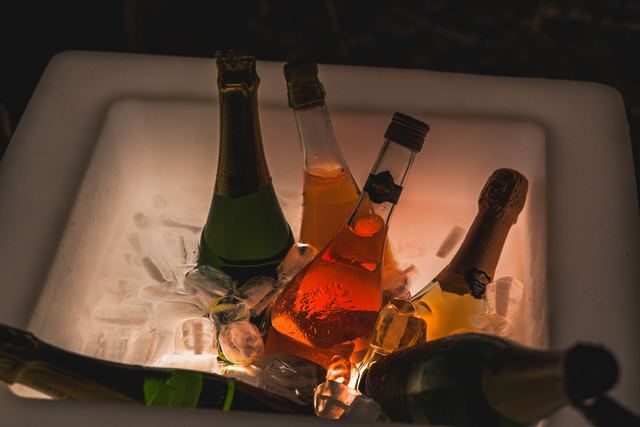
Champagne brands fall into three families: the large houses that buy grapes across the region, the growers who make wine from their own vines, and the cooperatives that pool the harvests of their members. Each produces a different kind of bottle, and the label tells you which one you are holding.
The Champagne brands landscape spans extremes: global giants producing millions of bottles and tiny growers crafting a few thousand. At the summit of the grande maison category, Krug is the undisputed benchmark for prestige non-vintage Champagne, blending wines from up to 250 different parcels and reserve wines across six or more years. Louis Roederer produces Cristal, the world's most recognisable prestige cuvée, in a distinctive clear bottle that has been a symbol of luxury since 1876. Bollinger's Spécial Cuvée is defined by its high proportion of Pinot Noir and partial fermentation in old oak barrels, giving it a characteristic toasty, full-bodied richness.
House Styles: Non-Vintage, Vintage and Prestige Cuvées
Dom Pérignon, technically a brand of Moët et Chandon rather than an independent house, is the world's best-selling prestige Champagne, produced only in declared vintages and released after a minimum of eight years' ageing. Pol Roger has been Winston Churchill's house of choice and continues to produce precise, élégant wines across all catégories. Jacques Sélosse, the most influential grower-producer in the region, brought the principles of Burgundian terroir expression to Champagne, inspiring a génération of récoltant-manipulant producers who ferment single-vineyard parcels to create wines of extraordinary individuality.
Buying Champagne: Allocation, Growers and Value
The major Champagne houses distribute widely through wine merchants, making them easy to find. The challenge is accessing prestige cuvées and older vintage releases, which require merchant relationships or direct mailing list sign-up. Grower Champagnes, from producers like Egly-Ouriet, Pierre Péters and Cédric Bouchard, often match or exceed grande marque quality at similar or lower prices. They represent some of the finest value in the entire fine wine world and deserve a prominent place in any serious collection.
Reading the Small Print on a Label
Every Champagne label carries a short code that reveals the producer's status. NM, for négociant-manipulant, identifies a house that buys grapes or wine in addition to its own vineyards. RM, for récoltant-manipulant, is a grower who makes wine only from their own grapes. CM stands for a cooperative that produces and sells under its own brand; Nicolas Feuillatte is one of the best-known examples. Other codes cover buyer's own brands and less common arrangements, so it is worth checking before paying a premium.
Sweetness Levels and Dosage
- Brut Nature and Extra Brut: very dry, with little or no added sugar.
- Brut: the classic dry style and by far the most common.
- Extra Dry and Sec: slightly sweeter than their names suggest.
- Demi-Sec and Doux: clearly sweet, suited to desserts.
The sweetness comes from the dosage, a small addition of wine and sugar made after the second fermentation. Many growers now favour lower dosages to show the character of their vineyards.
Organic and Biodynamic Producers
Viticulture in Champagne is challenging because of the cool, damp climate, yet a growing number of producers farm organically or biodynamically. Many of them are growers working small parcels with great attention to detail. Readers interested in this movement can explore the guide to organic and biodynamic wine brands.
Buying and Serving Champagne
Non-vintage Champagne is generally ready to drink on release and keeps for a few years when stored lying down in a cool, dark place. Vintage and prestige cuvées can age much longer, developing notes of brioche, nuts and honey. Serve well chilled but not ice-cold, in a tulip-shaped glass rather than a narrow flute, to let the aromas express themselves. Opening the bottle gently, with a slow twist, preserves the bubbles and avoids accidents.
To compare Champagne houses with other prestigious producers, the wine brand rankings based on classifications and prestige and the broader wine brand guide offer useful context.