Wine Brand Guide: The Practical Framework for Choosing and Collecting Fine Wine
The world of fine wine brands can appear impenetrable at first, a maze of appellations, châteaux names, classifications, vintage charts and critic scores. The good news is that a handful of principles reduce this complexity to manageable proportions. This guide sets out those principles clearly, giving you the tools to make confident decisions whether you are buying a single bottle for a spécial occasion, building a small cellar or starting a serious investment portfolio.
Understanding the Classification Systems That Define Value
The most important first step is understanding how wines are officially ranked. The 1855 Bordeaux Classification divides Médoc châteaux into five growths, with the five first growths, Margaux, Lafite, Latour, Mouton Rothschild and Haut-Brion, at the summit. Saint-Émilion's classification, last revised in 2022, places Pétrus's Pomerol neighbour Cheval Blanc and Ausone in the Premier Grand Cru Classé A tier. Burgundy's system ranks the land itself: 33 Grand Cru vineyards sit at the top, each associated with specific domaines whose names you need to learn. For Champagne, the distinction between grande marque houses and grower-producers explains most of the quality and price variations you will encounter. These famous names are also the ones most exposed to counterfeit wine, since forgers copy labels worth thousands per bottle.
Reading Labels, Following Critics and Buying Strategically
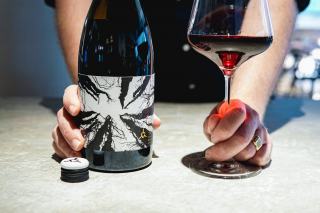
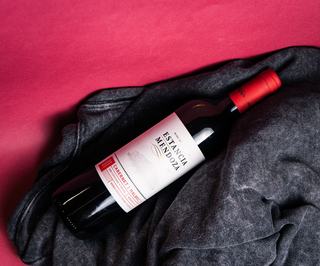
A wine label tells you the producer, appellation, vintage and, in the case of classified estates, the official rank. Learn to read these éléments together rather than in isolation. A Grand Cru Classé from a mediocre vintage at a high price is not necessarily a better purchase than a Premier Cru from an outstanding year at a lower price. Follow two or three critics whose palates align with yours, Robert Parker, James Suckling and Jancis Robinson each emphasise different qualities, and cross-reference their scores rather than relying on any single voice. Buy en primeur for Bordeaux's greatest vintages to access the lowest prices; buy through specialist merchants for Burgundy, where allocations are the norm. Always keep a record of what you bought, from whom and at what price. Provenance documentation is worth as much as the wine itself when it comes time to sell or share your collection.
In this section (12 articles)
- Counterfeit wine, from Rudy Kurniawan to modern fakesOctober 2, 2026
- Bottle economics: the cheapest wines pay for everything but wineJuly 23, 2026
- Italian Wine Brands: Tuscany, Piedmont and BeyondJanuary 8, 2026
- Spanish Wine Brands: Rioja, Ribera del Duero, Priorat and MoreDecember 23, 2025
- American Wine Brands: Napa Cabernet and Oregon Pinot NoirDecember 12, 2025
- Australian Wine Brands: Penfolds, Henschke and Barossa IconsDecember 11, 2025
- Argentine Wine Brands: Malbec, Mendoza and the Uco ValleyDecember 10, 2025
- Chilean Wine Brands: Almaviva, Seña, Carménère and Coastal WhitesDecember 8, 2025
- Prestige Wines: The World's Most Expensive and Rare BottlesDecember 7, 2025
- Organic Wine Brands: Biodynamic and Sustainable ProducersDecember 6, 2025
- Wine Brand Rankings: Classifications, Points and PrestigeNovember 13, 2025
- Wine Investment Guide: Best Brands, Vintages and StrategyNovember 12, 2025