
Bordeaux Brands: The Complete Guide to Médoc, Pomerol and Saint-Émilion Estates
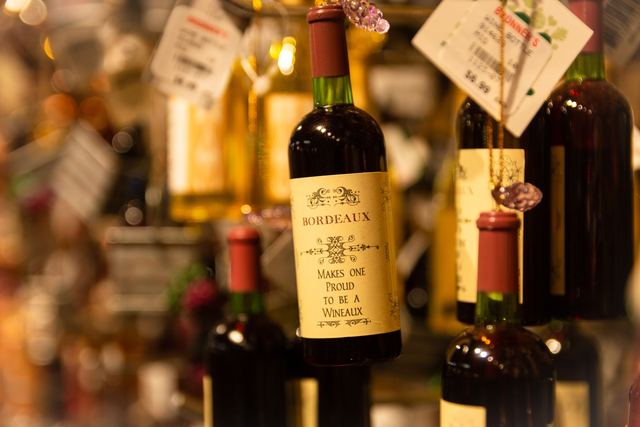
Bordeaux wine brands range from the famous châteaux of the 1855 Classification to right bank estates, Crus Bourgeois and négociant labels sold worldwide. Knowing how these categories fit together is the easiest way to read a Bordeaux label and judge what a bottle is likely to offer.
The Bordeaux wine brands that command the highest prices and greatest critical acclaim begin, but do not end, with the five first growths of the 1855 Classification: Margaux, Lafite Rothschild, Latour, Mouton Rothschild and Haut-Brion. This landmark ranking, established for Napoleon III's World Exhibition, still drives billions of euros in annual trade. Yet Bordeaux's prestige hierarchy extends far beyond these famous five, across both the left and right banks of the Gironde.
The Left Bank: Médoc, Pauillac and the Super-Seconds
The Médoc peninsula north of Bordeaux concentrates an extraordinary density of prestigious châteaux. Below the first growths, the super-seconds command fierce loyalty: Ducru-Beaucaillou and Léoville-Las Cases in Saint-Julien, Cos d'Estournel and Montrose in Saint-Estèphe, and Palmer in Margaux frequently outperform their official second-growth rank. These estates offer outstanding quality at prices that, while high, remain below first growth levels, making them compelling choices for collectors seeking relative value in Bordeaux.
The Right Bank: Pomerol, Saint-Émilion and the Garage Wine Revolution
Across the Dordogne, Pomerol and Saint-Émilion produce Merlot-dominant wines of exceptional richness and early accessibility. Petrus and Le Pin are Pomerol's ultimate expressions; Ausone and Cheval Blanc lead Saint-Émilion's Premier Grand Cru Classé A category. The garage wine movement of the 1990s, spearheaded by Valandraud, La Mondotte and Le Dôme, challenged the classified system with micro-production, ultra-ripe fruit and stratospheric scores from influential critics. Understanding these distinctions across Bordeaux's appellations is the foundation for confident buying in the world's most complex fine wine region.
Graves, Pessac-Léognan and Sauternes
South of the city, the Graves region has its own classification for red and white wines, with Pessac-Léognan as its most prestigious appellation. Château Haut-Brion, the only estate outside the Médoc included among the 1855 first growths, sits there, alongside its neighbour La Mission Haut-Brion. Further south, the sweet wines of Sauternes and Barsac received their own 1855 ranking, in which Château d'Yquem stands alone in the top category of Premier Cru Supérieur.
Saint-Émilion's Changing Classification
Unlike the 1855 ranking, the Saint-Émilion classification is revised periodically, which keeps it open to promotions and demotions. This flexibility has also created tensions: several leading estates have chosen to withdraw from the classification altogether, relying on the strength of their own names rather than on an official rank. For buyers, it means that a label without a classification mention is not necessarily a lesser wine.
Crus Bourgeois and Everyday Bordeaux
Most Bordeaux bottles are not classified growths. The Crus Bourgeois of the Médoc offer a large choice of estates with their own quality ranking, often at reasonable prices. Generic Bordeaux and Bordeaux Supérieur appellations cover a wide range of styles, from simple, fruity reds to carefully made wines from small family properties. Négociant brands, such as Mouton Cadet, blend wines from many sources and aim for consistency from one year to the next.
Second Wines and Value Hunting
Most top estates make a second wine from younger vines or lots not selected for the grand vin. These wines offer an introduction to the house style at a lower price and usually mature sooner. Beyond second wines, lesser-known châteaux in strong vintages are often the best value in Bordeaux.
How to Buy Bordeaux Brands
- Check the vintage first: weather varies a great deal from one year to the next.
- Prefer merchants who can prove proper storage, especially for mature bottles.
- Use Bordeaux en primeur buying for top wines you plan to keep for many years.
- Treat fine Bordeaux as a pleasure first; any financial gain is uncertain.
Collectors who think about resale should read a dedicated wine investment guide on brands, vintages and strategy before committing large sums, as prices can fall as well as rise.