
Wine Investment: How to Build and Manage a Fine Wine Portfolio
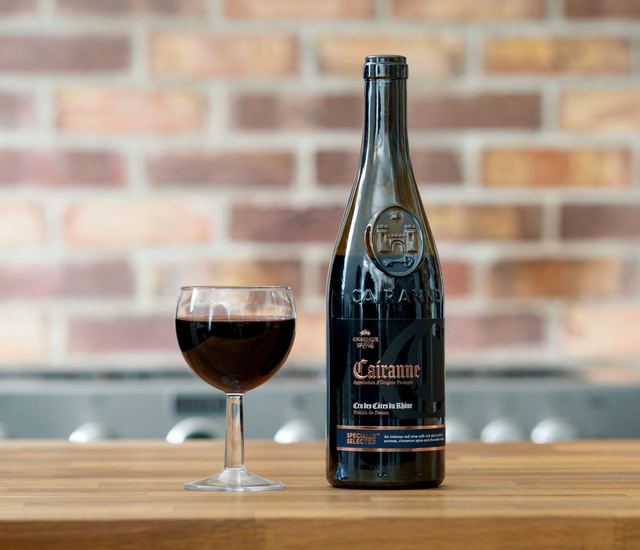
Wine investment has delivered strong returns over the past three decades, with the Liv-ex Fine Wine 1000 index outperforming many traditional asset classes over long time horizons. The fine wine market is driven by scarcity, quality and globalised demand, particularly from Asian collectors who have dramatically expanded the market for Bordeaux first growths, Burgundy Grand Crus and prestige Californian bottles since the 2000s. Unlike many alternative investments, wine is a tangible asset with the additional pleasure of potential consumption. Before buying, check who sells you the wine and under which rules: in France, an offer that sells you rights on bottles with a promised return is a regulated product.
Which Wine Brands Appreciate Most: Bordeaux, Burgundy and California
The safest and most historically consistent performers are Bordeaux first growths from great vintages: 2000, 2005, 2009, 2010 and 2015 from Lafite, Pétrus, Mouton Rothschild and Margaux have all generated significant gains for long-term holders. Burgundy Grand Crus, particularly DRC La Tâche and Richebourg, Rousseau Chambertin and Coche-Dury Meursault Perrières, have appreciated even more dramatically as production has remained fixed while global demand has grown. In California, Screaming Eagle and Harlan Estate have shown consistent price appreciation due to tiny production and strong critical consensus. Penfolds Grange from key Australian vintages also features in serious investment portfolios.
Within Bordeaux, it pays to know each estate before committing money. Our page on Château Margaux, its style and its great vintages explains what makes a Margaux vintage sought after, and the profile of Château Haut-Brion, the Pessac-Léognan first growth shows why a smaller, more discreet name can still hold its value at auction.
Practical Wine Investment: Buying, Storage, Insurance and Selling
Successful wine investment requires attention to four practical elements. First, buy at or near release through reputable sources: négociants for Bordeaux en primeur, specialist merchants with direct producer relationships for Burgundy and California. Second, store professionally in temperature and humidity-controlled bonded warehouses, storing at home risks both quality and the provenance record that auction houses require. Third, insure your holdings with specialist fine wine insurers who understand valuation. Fourth, sell through established auction houses like Christie's, Sotheby's, Hart Davis Hart or Zachys, which provide the broadest international exposure to serious buyers. Always buy bottles in original wooden cases when possible; OWC (original wooden case) documentation adds 10-20% to resale value for premium wines.
Wine Investment in France: What the Law Requires From Sellers
Buying bottles for your own cellar from a merchant or at auction is ordinary trade. The picture changes when a company offers you rights on wine together with the prospect of a financial return, often with storage and resale handled for you. French law treats this as an investment in biens divers (miscellaneous assets), governed by articles L. 551-1 and following of the Code monétaire et financier. The Autorité des marchés financiers (AMF) states that a file must be lodged with it before any promotional communication or any cold canvassing for such an offer, so that the offer receives a registration number.
In practice, three checks protect you before signing:
- ask for the AMF registration number of the offer and the information document that goes with it;
- look the company up on the AMF warning lists, which have a dedicated category for miscellaneous assets such as wine;
- make sure the bottles are identified in your name, with their location in the warehouse, rather than a vague share of a stock.
A seller who cold-calls you with a guaranteed return and no registration number is the classic profile the regulator warns about.
Risks to Weigh Before Building a Wine Portfolio
Wine is an illiquid asset: selling takes time, through an auction calendar or a merchant, and fees on both the buying and the selling side reduce the net gain. Prices of the most famous labels depend heavily on demand from a few export markets, so a slowdown abroad can freeze resale. Condition and provenance are everything: a single doubt about storage history can lower the price of a case at auction. Counterfeits target precisely the bottles investors want, which is why buying from the estate's distribution chain and keeping every invoice matters. Finally, wine produces no income while you hold it; the only return is the resale price, minus storage and insurance costs paid every year.
Wine Investment Guide: Frequently Asked Questions
Is wine investment legal in France?
Yes, buying and reselling fine wine is legal. Offers that sell you rights on wine with a promised return must, however, be registered with the AMF before being promoted, under the rules on miscellaneous assets.
Should I store investment wine at home?
It is better to use a professional bonded warehouse: it keeps temperature and humidity stable and gives buyers the provenance record they expect at resale.
Which wines are the most common in investment portfolios?
Bordeaux first growths from great vintages, Burgundy Grand Crus from top domaines and a few rare Californian estates make up the core of most portfolios, with Penfolds Grange as a frequent addition.
How do I sell an investment wine?
Through an established auction house or a specialist merchant; bottles in their original wooden case with full storage history sell more easily.