
Italian Wine Brands: The Producers Who Elevated Italy to the Top of the World Stage
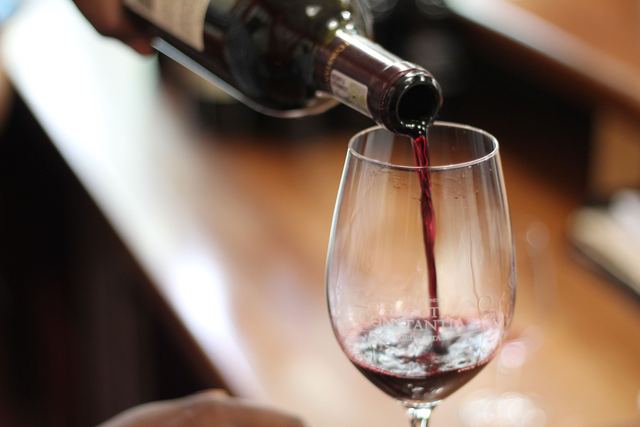
Italian wine brands range from historic family houses in Tuscany and Piedmont to small producers reviving native grapes in the south and the islands. Understanding the label categories and the main regions makes it much easier to choose a bottle that matches its price.
Italian wine brands occupy a unique position in the global fine wine market, combining centuries of indigenous grape varieties and winemaking traditions with a modern ambition that has brought Italian wines to the top of international auction rankings. Two regions lead this story: Tuscany, home of the Super-Tuscan revolution and the great Sangiovese estates; and Piedmont, where Nebbiolo in its Barolo and Barbaresco expressions achieves complexity that rivals any wine on earth.
Tuscany: Antinori, Sassicaia, Ornellaia and the Super-Tuscans
The Antinori family has been producing wine in Florence since 1385, making them one of the oldest wine dynasties in the world. Their Tignanello, a blend of Sangiovese with Cabernet Sauvignon, aged in barriques, created the Super-Tuscan template in 1971. Sassicaia proved that Cabernet Sauvignon on the Bolgheri coast could match Bordeaux; Ornellaia brought further Bordeaux refinement to the same coastal zone. For Brunello di Montalcino, Biondi-Santi is the founding estate, creating the wine style in the 1880s, while Case Basse Soldera represents the apex of modern production.
Piedmont: Gaja, Conterno and the Barolo Masters
Angelo Gaja transformed Barbaresco into a global luxury reference from the 1970s onward, introducing single-vineyard bottlings and French barriques to a region previously overlooked. In Barolo, Giacomo Conterno's Monfortino, a wine aged for 7 to 10 years before release in traditional large Slavonian oak, remains the most revered traditionalist expression of Nebbiolo. Newer producers like Luciano Sandrone and Roberto Voerzio brought a modernist polish that expanded the audience for Barolo internationally. From Amarone in Valpolicella to Etna Rosso from Sicily, Italian wine brands offer unmatched diversity across every price point.
Reading an Italian Label
Italian labels show a quality category: DOCG for the most tightly controlled appellations, DOC for other protected origins, and IGT for wines with a broader geographical indication. The IGT category is where many Super-Tuscans began, as producers using international grapes or modern methods could not always meet the rules of the traditional appellations. A wine's category is therefore a useful guide, but not a strict ranking of quality.
The South and the Islands
Southern Italy has become one of the most exciting sources of characterful wine. Campania offers Aglianico-based reds such as Taurasi and whites from Fiano and Greco; Puglia is known for generous Primitivo and Negroamaro; Sicily's Etna produces elegant reds from Nerello Mascalese grown on volcanic soils. Sardinia has its own Cannonau and Vermentino. These regions often deliver remarkable quality for the price.
Value Beyond the Icons
- Langhe Nebbiolo offers a taste of Barolo country at a lower price.
- Rosso di Montalcino is the younger sibling of Brunello, ready to drink sooner.
- Chianti Classico has gained in precision and is a reliable choice with food.
- Valpolicella Ripasso sits between fresh Valpolicella and powerful Amarone.
Sustainable and organic approaches are spreading quickly among Italian producers; the guide to organic and biodynamic wine brands introduces some of the movement's key names.
Italian Wine at the Table
Italian reds are often built around acidity and firm tannins, which makes them particularly good with food. Sangiovese suits tomato-based dishes and grilled meats, Nebbiolo pairs with truffles, braised beef and mature cheeses, and coastal whites match seafood and vegetable dishes. Serving reds slightly cool and choosing the wine with the dish in mind usually shows Italian wines at their best.
Building a Collection
For collectors, Barolo, Brunello and the leading Super-Tuscans have long ageing potential and a strong secondary market. As with any fine wine, provenance and storage matter. Those comparing Italy with other regions can start with the overview of prestige wines and rare bottles, or read about Sassicaia, Italy's pioneering Super-Tuscan, to understand how a single estate changed the image of Italian wine.