
Sassicaia: The Bolgheri Estate That Invented the Super-Tuscan Category
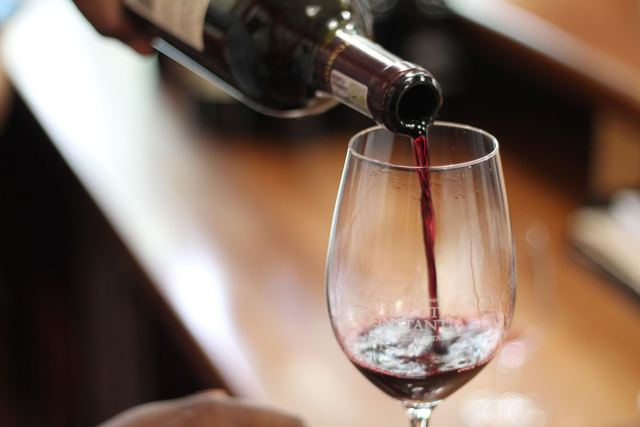
Sassicaia is the Cabernet-based red of Tenuta San Guido on the Tuscan coast, the wine that proved Italy could rival Bordeaux with Bordeaux grapes. Its success created the Super-Tuscan category and, eventually, a dedicated appellation for a single estate.
Sassicaia holds a unique place in wine history as the wine that single-handedly created the Super-Tuscan movement. The Incisa della Rocchetta family began planting Cabernet Sauvignon and Cabernet Franc in the 1940s on their Tenuta San Guido estate near Bolgheri, on the Tuscan coast southwest of Florence. Initially produced for family consumption, the wine was first commercially released in 1972. By the mid-1980s, Sassicaia had earned a reputation that surpassed most of its Italian peers and competed with classified Bordeaux on equal terms.
What Made a Wine "Super-Tuscan"
When Sassicaia appeared, Tuscan wine rules were built around Sangiovese and did not recognise Cabernet blends. Producers who ignored those rules to make ambitious wines had to sell them as simple table wine, despite prices far above most official appellations. The press nicknamed these rebels Super-Tuscans. Other names followed, such as Tignanello from the Antinori family, and in Bolgheri itself Ornellaia and Masseto, which helped turn a quiet stretch of coast into one of Italy's most prestigious wine areas.
Bolgheri DOC: The Only Tuscan DOC Named for a Single Estate
In 1994, Sassicaia became the first, and still the only, Italian wine to receive its own individual DOC appellation: Bolgheri Sassicaia. This recognition cemented the wine's status as Italy's most prestigious red. The Mediterranean climate of the Bolgheri coast, cooled by sea breezes, allows Cabernet Sauvignon to ripen fully while retaining the acidity and structure essential for long ageing. Gravel and clay soils of marine origin add a distinctive mineral quality that separates Sassicaia from any other Cabernet-based wine.
The estate's name itself refers to stony ground, and the gravel soils invite comparison with the left bank of Bordeaux. That parallel is no accident: the founding vines are traditionally said to have come from Bordeaux cuttings, and the winemaking long benefited from the work of the oenologist Giacomo Tachis. Lovers of the style can compare it with the Bordeaux wine brands of the first growths or with Opus One, Napa's Bordeaux-inspired estate.
Tasting Notes, Key Vintages and Prices
Sassicaia typically blends around 85% Cabernet Sauvignon with 15% Cabernet Franc. The wine shows black cherry, cassis, bay leaf, cedar and graphite, with silky tannins and a long, precise finish. Legendary vintages include 1985, 1988, 2000, 2004, 2013 and 2016. The 1985 vintage scored 100 points from Wine Spectator, the first Italian wine to do so. Current releases are priced between €200 and €350 per bottle; older premium vintages trade for €500 - €1,500. The second wine, Le Difese, offers the Bolgheri style at a fraction of the price.
The Estate's Other Wines and Buying Tips
- Guidalberto: a younger, more approachable red from Tenuta San Guido, blending Cabernet and Merlot.
- Le Difese: the entry wine, with Sangiovese in the blend for early drinking.
- Sassicaia itself: best opened after several years in bottle, with great vintages ageing for decades.
As with any collectible wine, buy mature bottles from reputable merchants with clear storage history. To see where Sassicaia sits among the world's most sought-after names, the overview of prestige wines and rare bottles offers useful comparisons.